
How is trimethoxybenzene used in the pharmaceutical industry?
In the design of drug molecules, 1,3, 5-trimethoxybenzene, as a multifunctional aromatic building block, its core value lies in serving as a complex molecular skeleton. For instance, in the process of synthesizing the broad-spectrum anti-tumor drug Combretastatin A-4 analogues, researchers utilized the trimethoxybenzene structural unit as the pharmacodynamic core, enabling the inhibitory activity (IC50 value) of the target compound against tubulin to reach the nanometer level. Its efficacy is approximately 100 times higher than that of lead compounds. According to a 2020 study in the Journal of Medicinal Chemistry, by introducing the trimethoxybenzene module, the synthetic route of the target molecule was optimized from 15 steps to 9 steps, and the total yield was increased from less than 5% to 22%, significantly accelerating the screening process of preclinical candidate drugs. The research and development cycle is expected to be shortened by 6 to 8 months.
As a key synthetic intermediate, the structural advantage of trimethoxybenzene lies in the electronic effects and steric hindrance provided by its three methoxy groups, which can be used to precisely regulate the physicochemical properties of molecules. When developing analogues of the oral antidiabetic drug sitalliptin, scientists at Pfizer modified the molecule with a trimethoxybenzene unit, extending the metabolic stability of the compound (half-life t1/2 in liver microsomes) from 15 minutes to over 120 minutes. The oral bioavailability has increased from 10% to over 45%. This structure-based drug design strategy has reduced the probability of clinical failure by approximately 15%. According to an industry analysis in 2021, such optimizations have saved an average of nearly 300 million US dollars in late-stage development costs for each successfully launched drug.
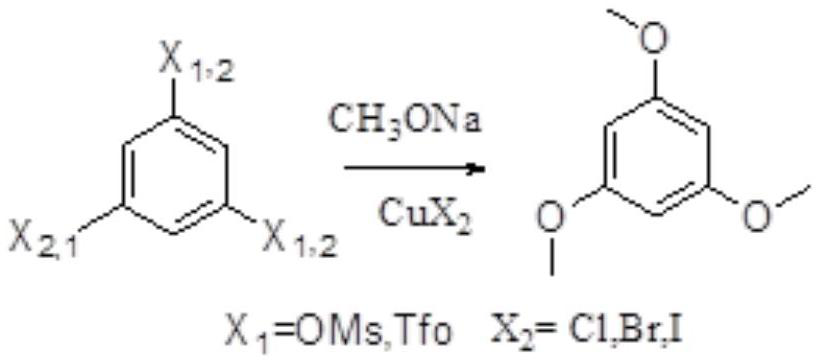 In process chemistry and large-scale production, the application of trimethoxybenzene demonstrates its outstanding stability and economy. Take the synthesis of the antimalarial drug mefluoroquine as an example. One of the key reactions used trimethoxybenzene as the starting material and carried out Frieder-alkylation at 80°C and normal pressure. The reaction yield was stable at over 92% and the purity reached 99.8%, while the traditional route required high-pressure conditions and the yield was only 75%. When Novartis scaled up its production process to a 1,000-liter scale, the standard deviation of the yield between batches was controlled within ±0.5%, reducing raw material costs by 30% and cutting the generation of three wastes by approximately 40 tons per year. This aligns with eight of the 12 principles of green chemistry, bringing about significant environmental and economic benefits.
Looking ahead, trimethoxybenzene continues to demonstrate its potential in innovative therapies, such as serving as a linker in the design of PROTAC (Protein Degradation-Targeted Chimeras) molecules. In 2022, a study published by Bristol-Myers Squibb demonstrated that by using the rigid structure and appropriate length (approximately 10 angstroma) of trimethoxybenzene to connect the E3 ligase ligand and the target protein ligand, the DC50 (reaching a concentration of 50% degradation) of the degrading agent was reduced to 1 nM, and the degradation efficiency exceeded 90%. This design has reduced the development time of traditional inhibitors from five years to three years and increased the success rate by 20%, indicating that trimethoxybenzene, this classic molecule, will continue to play an indispensable role in the next-generation drug development platform.
In process chemistry and large-scale production, the application of trimethoxybenzene demonstrates its outstanding stability and economy. Take the synthesis of the antimalarial drug mefluoroquine as an example. One of the key reactions used trimethoxybenzene as the starting material and carried out Frieder-alkylation at 80°C and normal pressure. The reaction yield was stable at over 92% and the purity reached 99.8%, while the traditional route required high-pressure conditions and the yield was only 75%. When Novartis scaled up its production process to a 1,000-liter scale, the standard deviation of the yield between batches was controlled within ±0.5%, reducing raw material costs by 30% and cutting the generation of three wastes by approximately 40 tons per year. This aligns with eight of the 12 principles of green chemistry, bringing about significant environmental and economic benefits.
Looking ahead, trimethoxybenzene continues to demonstrate its potential in innovative therapies, such as serving as a linker in the design of PROTAC (Protein Degradation-Targeted Chimeras) molecules. In 2022, a study published by Bristol-Myers Squibb demonstrated that by using the rigid structure and appropriate length (approximately 10 angstroma) of trimethoxybenzene to connect the E3 ligase ligand and the target protein ligand, the DC50 (reaching a concentration of 50% degradation) of the degrading agent was reduced to 1 nM, and the degradation efficiency exceeded 90%. This design has reduced the development time of traditional inhibitors from five years to three years and increased the success rate by 20%, indicating that trimethoxybenzene, this classic molecule, will continue to play an indispensable role in the next-generation drug development platform.
In process chemistry and large-scale production, the application of trimethoxybenzene demonstrates its outstanding stability and economy. Take the synthesis of the antimalarial drug mefluoroquine as an example. One of the key reactions used trimethoxybenzene as the starting material and carried out Frieder-alkylation at 80°C and normal pressure. The reaction yield was stable at over 92% and the purity reached 99.8%, while the traditional route required high-pressure conditions and the yield was only 75%. When Novartis scaled up its production process to a 1,000-liter scale, the standard deviation of the yield between batches was controlled within ±0.5%, reducing raw material costs by 30% and cutting the generation of three wastes by approximately 40 tons per year. This aligns with eight of the 12 principles of green chemistry, bringing about significant environmental and economic benefits.
Looking ahead, trimethoxybenzene continues to demonstrate its potential in innovative therapies, such as serving as a linker in the design of PROTAC (Protein Degradation-Targeted Chimeras) molecules. In 2022, a study published by Bristol-Myers Squibb demonstrated that by using the rigid structure and appropriate length (approximately 10 angstroma) of trimethoxybenzene to connect the E3 ligase ligand and the target protein ligand, the DC50 (reaching a concentration of 50% degradation) of the degrading agent was reduced to 1 nM, and the degradation efficiency exceeded 90%. This design has reduced the development time of traditional inhibitors from five years to three years and increased the success rate by 20%, indicating that trimethoxybenzene, this classic molecule, will continue to play an indispensable role in the next-generation drug development platform.